


Winter 2026 Cohort · Applications open

Start a real research project this December break

AddedNova pairs high-school students one-to-one with PhD researchers from top US and UK universities, turning a genuine interest into university-level research you can finish, submit and talk about with confidence.

Scroll
40+
PhD mentors from top US/UK universities
1:4
Mentor-to-student ratio
100+
Students mentored in 2025
10+
Countries
95%
Publication success
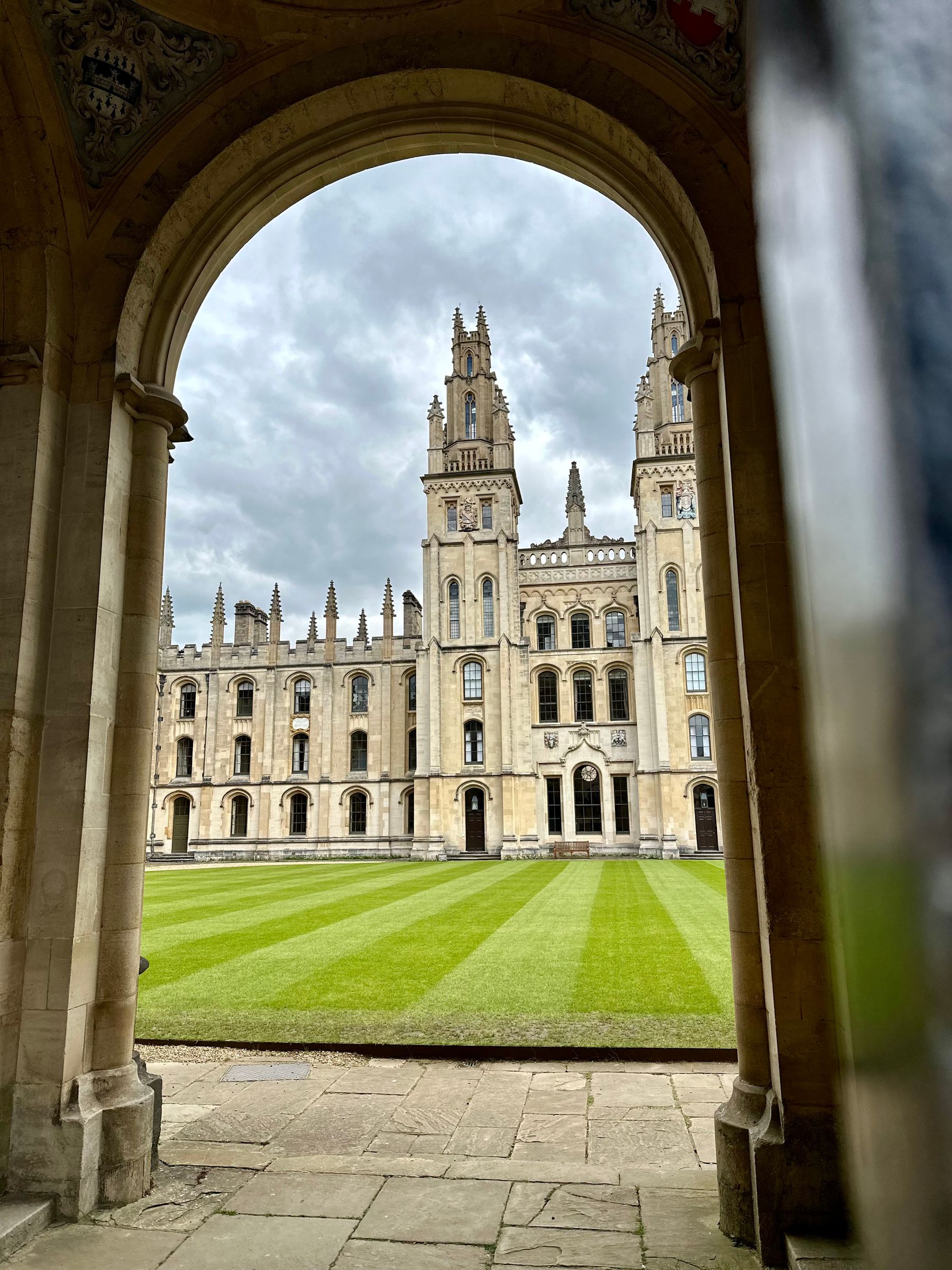
A student researching late in a university library

“Research turns ‘I love biology’ into ‘I spent three months studying nitrogen levels in Tolo Harbour.’ That’s the difference admissions readers remember.”

The AddedNova Research Team

Why research matters

Great grades get you considered. Research gets you noticed.

At the most selective universities, almost every applicant is academically excellent. What sets admitted students apart is evidence of real intellectual depth, and original research is one of the clearest ways to show it.

Intellectual curiosity

Show you go beyond the syllabus because you want to, not because you have to.

Depth over breadth

Build a clear academic “spike” that ties your profile and essays together.

College-ready skills

Learn academic reading, data analysis and research writing at university level.

A mentor who knows you

A PhD researcher who can speak to your independent work and ability.

Why winter

The December break is the perfect launchpad

The hardest part of research is the thinking at the start: finding the right question and designing how to answer it. The break gives you the uninterrupted time to do it properly.

~4

weeks of focused time

Lighter school workload means space to read, think and plan without distraction.

G9–10

Build your foundation

Learn research skills now and leave room for a deeper second project before you apply.

G11

This is your window

Start now to have a finished paper, a CREST submission and a mentor's perspective in time for applications.

How it works

From a curious idea to a finished research report

A structured, outcome-based program combining 1:1 mentoring with guided independent work. Students typically spend 3–5 hours a week over the break, then about 2 hours a week during term.

1
Weeks 1–2

Explore

  • Research masterclasses
  • Read subject-specific papers
  • Write structured summaries
2
Weeks 3–4

Focus & design

  • Finalise your research question
  • Choose your methodology
  • Plan data collection
3
Weeks 5–6

Investigate

  • Collect and analyse data
  • Interpret patterns and results
  • Mid-point mentor review
4
Weeks 7–8

Write & submit

  • Draft and refine your report
  • Mentor feedback on final draft
  • CREST Silver Award submission
Flexible by design: pause and restart around exams and school commitments with advance notice, so the program fits your calendar.

What's included

Everything you need to do research well

1:1 PhD mentor matchMatched to your subject and project after a guided brainstorm
Up to 10 hours of mentorshipWeekly check-ins, a mid-point review and final feedback
Research templates & toolsFor writing, data collection, analysis and presentation
CREST Silver Award submissionGuidance through the full submission process
Certificate of ExcellenceSigned by your lead mentor
College counselling link-upConnect your research to your wider application story
Winter 2026 cohort

Winter Research Program

Online · 1:1 · Grades 9–12

  • Duration~8 weeks · 30 hours
  • 1:1 mentorshipUp to 10 hours
  • Independent research~20 hours
  • StartDecember break
  • Program feeAsk us
Reserve a brainstorming session

Places are limited because every student is matched 1:1 with a mentor. CREST submission fees are paid directly to CREST.

Our mentors

Learn from researchers doing the work

Our 40+ mentors are PhD researchers and specialists from leading US and UK universities, across STEM, the social sciences and the humanities.

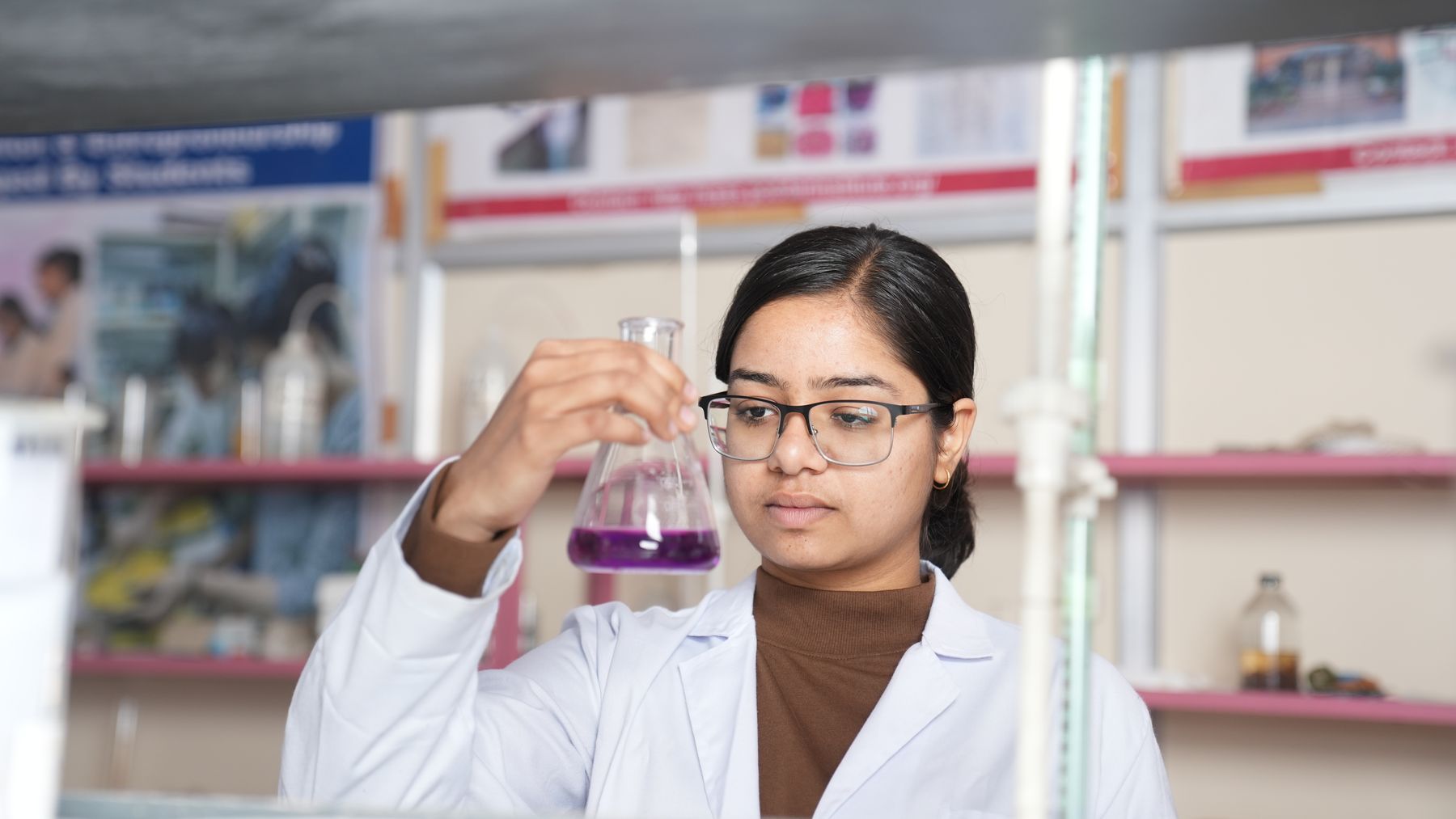
A student researcher working in a university laboratory
ME

Dr. Michael Economou

Head of Research, AddedNova

Leads the mentor team and oversees every student's research from first question to final submission.

E

Economics

PhD Candidate

Development economics, poverty alleviation, policy evaluation, climate migration.

CS

Computer Science

PhD Candidate

Modern cryptography, provable security, privacy, protocol design, network traffic analysis.

N

Neuroscience & Psychology

PhD Candidate

Adolescent mental health, cognitive biases in emotional processing, clinical psychology.

Student stories

Where AddedNova research has taken students

Cornell University
Biomedical Engineering
Aryan · India

Environmental and sustainable applications of fungi

Already a high achiever, Aryan used research to explore bioengineering in depth, presented at the Fungi Future Project Awards, and now studies Biomedical Engineering at Cornell.

University of Chicago
Economics
Bhavna · Singapore

How can EPR laws help fight plastic pollution in Indonesia?

A standout track & field athlete who wanted to show equal academic depth. She submitted to the CREST Awards, published her paper, and now majors in Economics at UChicago.

Northwestern University
Biology
Madeleine · Hong Kong

Nitrogen concentrations in Tolo Harbour and their effect on marine life

Starting in Grade 10, Madeleine published in a peer-reviewed journal, earned a CREST Silver Award, and now studies Biology at Northwestern.

Getting started

Five simple steps to your first session

01

Apply

Share your interests, grade and goals in a short application.

02

Interview

Meet our Head of Research to talk about your curiosity.

03

Brainstorm

Explore possible research areas in a guided session.

04

Mentor match

We pair you with the right PhD researcher for your topic.

05

Begin

Start your program over the December break.

FAQ

Questions parents and students ask

Can't find your answer? Book a free session and we'll talk it through.

Who is the Winter Research Program for?

High-school students in Grades 9–12 who want to explore a subject in real depth. Students in Grades 9–11 benefit most, as they have time to finish and build on their research before applying to university.

Does my child need a research topic already?

No. Most students start with a broad interest. Our guided brainstorm helps turn that into a specific, answerable research question.

Is research only for STEM students?

Not at all. We mentor projects in economics, policy, psychology, history, the humanities and more, as well as science, engineering and computer science.

How much time does it take?

Around 3–5 hours a week during the December break, and about 2 hours a week during term. You can pause and restart around exams with advance notice.

Is the program online?

Yes. All mentorship is online and 1:1, so students can join from anywhere. Sessions are scheduled directly with your mentor at mutually convenient times.

Is publication guaranteed?

No reputable program can guarantee publication or awards. Every Winter student is supported through a CREST Silver Award submission, and we advise on reputable journals and competitions for strong papers.

Who does the research?

The student does. Mentors guide, teach and challenge, but every idea, analysis and word is the student's own, so they can explain and defend their work with confidence in essays and interviews.

Winter 2026 cohort

Find your research question this December

Book a free 1:1 brainstorming session with our research team. You'll leave with two or three research directions tailored to your interests and goals.

Book your free session

Questions? Contact Dr. Michael Economou, Head of Research, at michael.economou@addededucation.com

Winter 2026 cohort1:1 PhD mentorship · Online
Book a free session